Hakkaku-shinka Kantoi

2016 · 2016-01-10

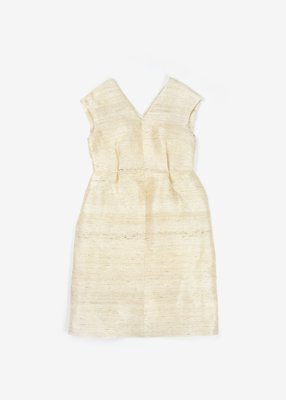
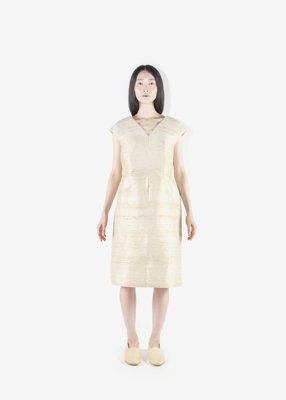
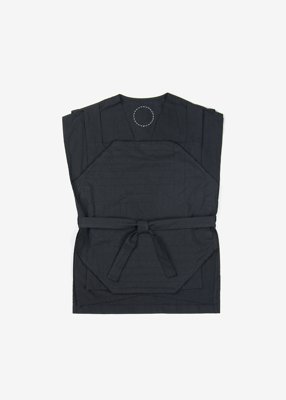
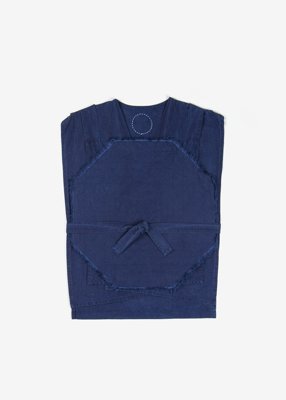
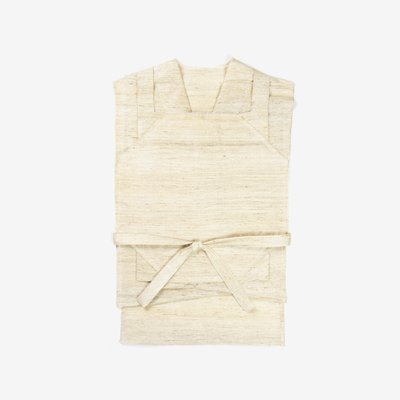
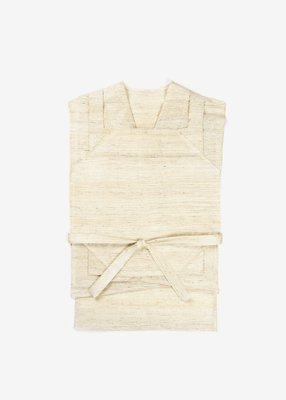
01. Koromo of Kudzu-fu | Kudzu-fu top with Hakkaku-Shinka embroideryCollection composed of Kudzu-fu (kudzu fabric). Kudzu-fu, regarded as a primitive material, is woven of threads made of the bast fibers of the kudzu stem. Inspired by kantoi work clothing. With an original Hakkaku-Shinka embroidery.
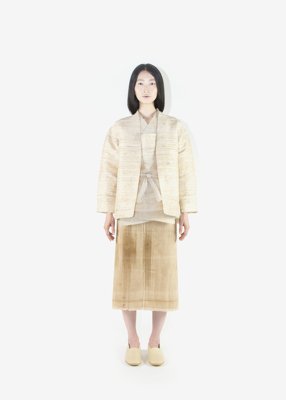
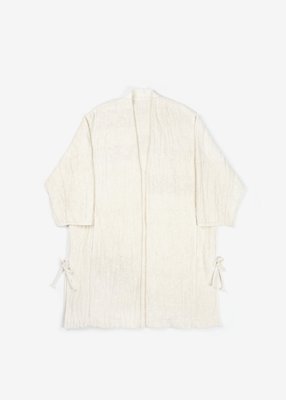
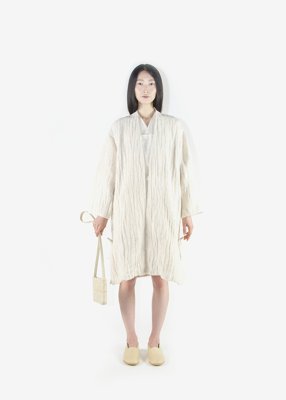
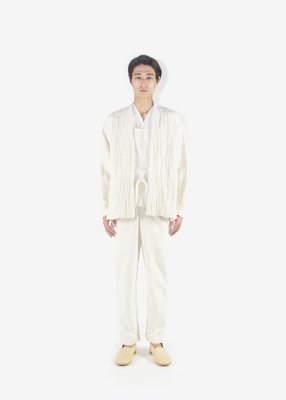
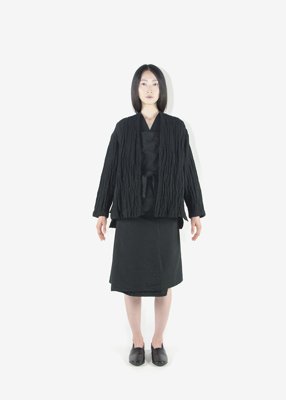
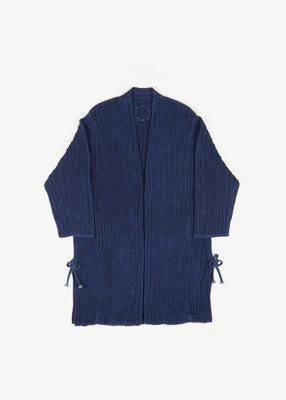
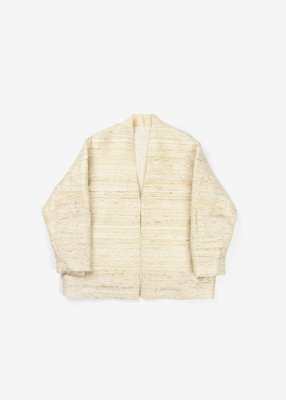
02. Koromo of Kudzu-fu | Haori jacketThe fabric is the natural color of kudzu plants. Lined with organic cotton lawn. Kudzu fabric from the Enshu region (now Shizuoka Prefecture) has a characteristic shine.
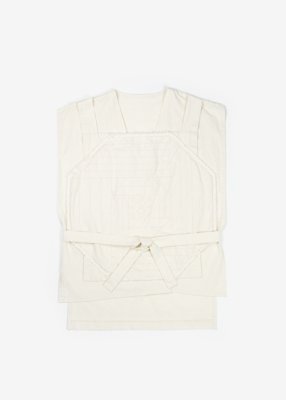
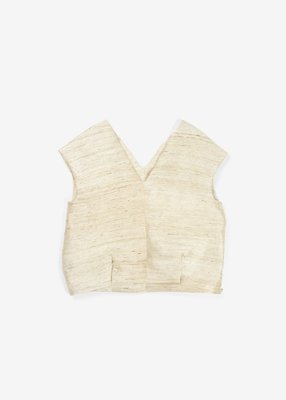
03. Koromo of Kudzu-fu | Kantoi vestIn the Edo era, according to Wakan sansai zue (an encyclopedia compiled in the Edo period), Enshu became Japan's sole kudzu production district.
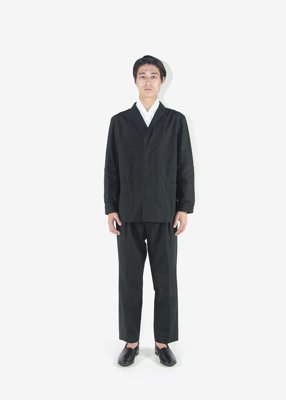
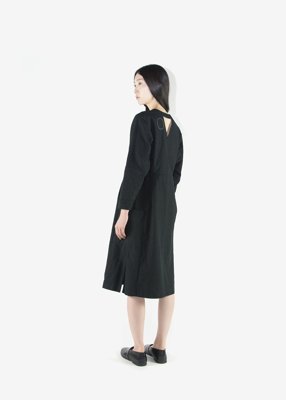
04. Koromo of Kudzu-fu | KantoiBefore fabrics such as hemp, karamushi, cotton and silk were introduced to Japan, fabrics were collectively called yu-fu. The raw materials were generally made from the bast fibers of kudzu, wisteria and paper mulberry.
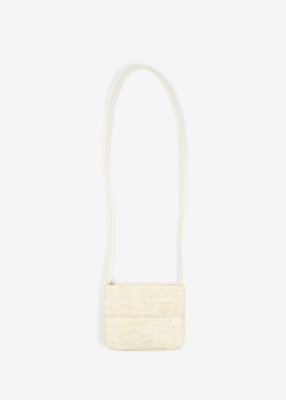
05. Kudzu-fu and Shironameshi shoulder bagKudzu vines are harvested in early summer when they are still green. The vines are tied, boiled, and then cooled in a stream.
06. Koromo of Kudzu-fu | Haori jacket and top with Hakkaku-Shinka embroideryKudzu vines are then wrapped in susuki grass and naturally fermented. They are taken out once their skin has dissolved. The kudzu is then dried and split by hand.
07. Koromo of Kudzu-fu | KantoiSome kudzu fabric attached to a bronze mirror from the early Kofun period was excavated from the Shobugaura-Kofun Tumulus in Dazaifu, Kyushu Prefecture. This is considered to be the oldest Kudzu cloth in Japan. Several references to kudzu can be found in Manyoshu (Ten Thousands Leaves - the first major anthology of early Japanese poetry). Kudzu was worn as clothing as early as the Nara period (710-794 AD).
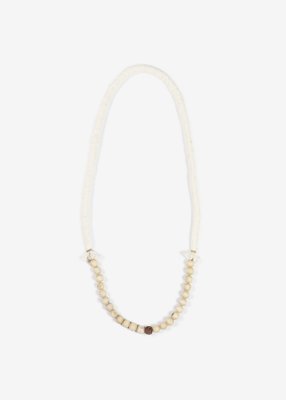
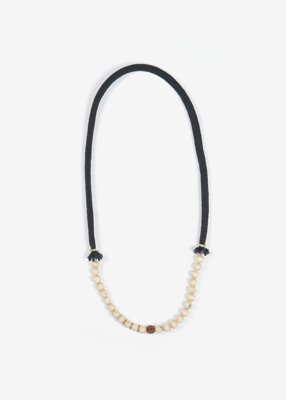
08. Hemp kumihimo necklaceComposed of hemp threads, rudraksha and holy basil wood. Kumihimo is a craft of braiding threads together to make cords. Kicho-musubi is a Japanese traditional tying technique. The technique of kumihimo came along with the introduction of Buddhism to Japan. It was used as a decorative cord for accessories of butsugu (Buddhist altar fittings), Buddhist scriptures and scrolls.
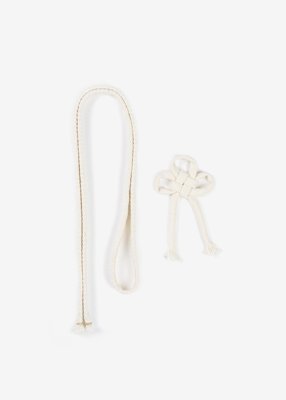
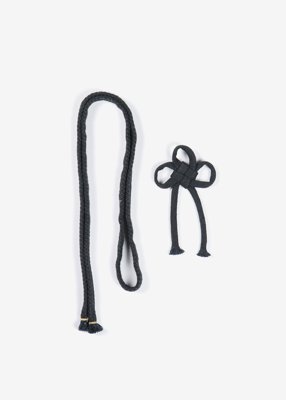
09. Hemp kumihimo belt and kicho-musubiMade of hemp threads. Kumihimo is a craft of braiding threads together to make cords. Kicho-musubi is a Japanese traditional tying technique. In the Nara period, braided kumihimo made from fine colored threads became popular as a decoration for formal dress. It was used on sleeves in the Kamakura period, and as a decorative cord for tea ceremonies in the Azuchi-momoyama period. By the early Edo period, kumihimo could be found in a wide range of beautiful colors and patterns.
10. Hemp work top with Hakkaku-Shinka embroideryThe fabric is composed of organic cotton thread for the warp and hand-spun hemp thread for the weft. Woven slowly with an antique shuttle weaving machine. Hakkaku-Shinka embroidery on the top.
11. Hemp work coatHemp work clothes recalling the texture of antique okuso clothes. Okuso are the waste fibers from the production of asa (hemp) threads. Okuso were used in times when cotton was precious, especially in northern regions such as Tohoku.
12. Hemp work coatPiping along sleeves, pocket opening and the hem. Kicho-musubi (Japanese traditional tying technique) at the slitted part. Worn with shironameshi shoulder bag, shironameshi shoes.
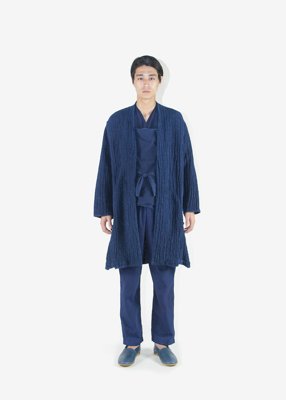
13. Hemp work coat, hemp work top with Hakkaku-Shinka embroideryWorn with organic cotton wrapped pants. Comes in natural, black and Ryukyu indigo.
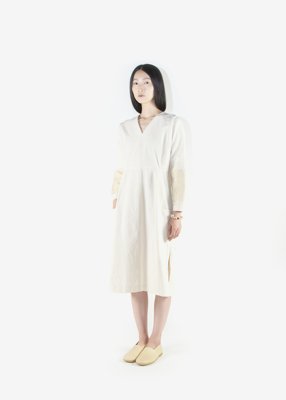
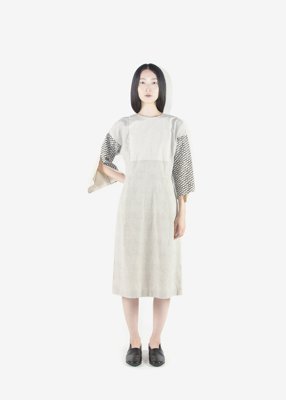
14. Hemp work dress and hemp kumihimo bracelet with rudraksha, Shironameshi shoesHand-woven hemp fabric patchwork and sashiko hand-embroidery on the sleeves. Comes in natural, black and Ryukyu indigo.
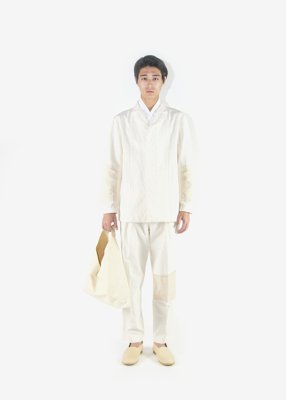
15. Hemp work jacket and slacks, Shironameshi tsunobukuro-totebag, Shironameshi shoesHand-woven hemp fabric patchwork and sashiko hand-embroidery on the elbows and the knees.
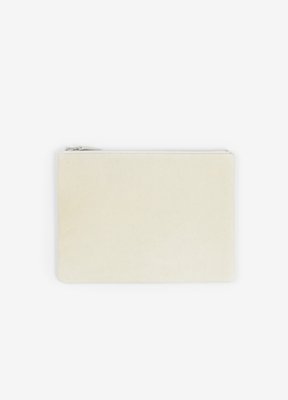
16. Shironameshi pouchJapanese handcrafted white leather. White tanned leather is the only native leather manufacturing in Japan. Himeji white leather has a history of over 1000 years. Its natural white color is produced without bleaching or dyeing. The method requires salt, rape seed oil and the water of the Ichikawa, the local river that flows north to south through eastern Himeji.
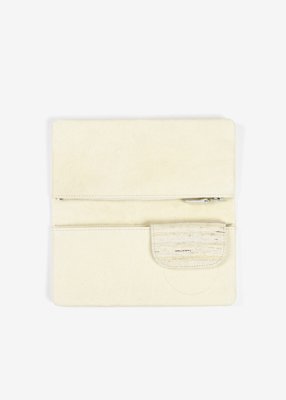
17. Shironameshi walletComposed of Shironameshi and kudzu fabricAfter salting, the deerskin is soaked in the river for a few days, allowing microorganisms to loosen up the hair roots. Shaving the skin with a knife and combing the leather with a plane gives the leather a uniform thickness.
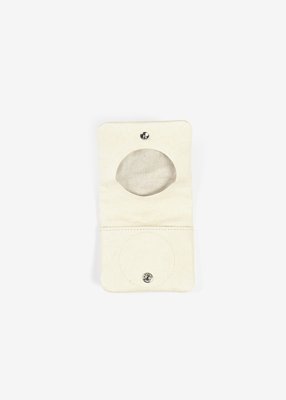
18. Shironameshi coincaseAfter prolonged exposure to sunlight, the white leather is ready. It features a natural whiteness and a strength unlike any other leather.
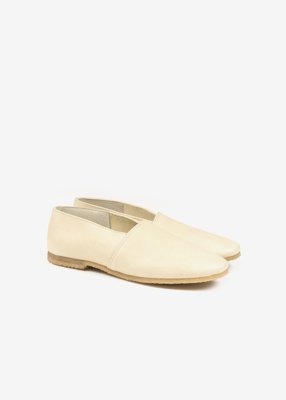
19. Shironameshi shoesThe color of shironameshi white leather varies naturally, and becomes even lighter with use.
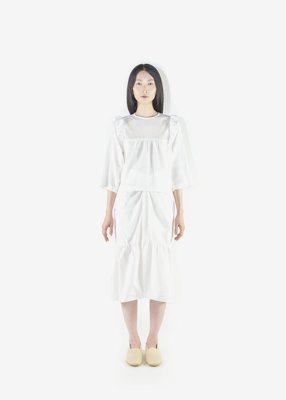
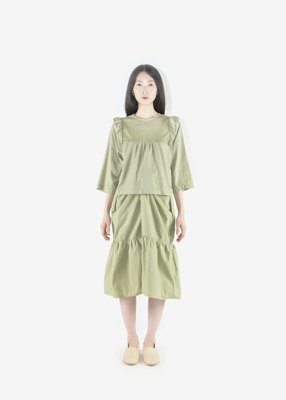
20. Organic cotton french twill frilled shirt, organic cotton broad cloth wrapped skirt, Shironameshi shoesThe white color is produced by earth-friendly, non-chlorinated water bleaching.
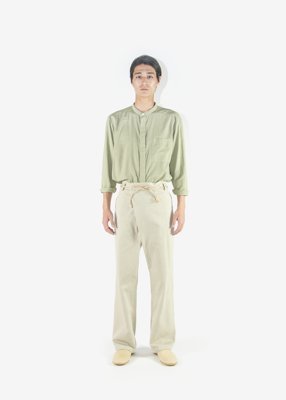
21. Organic cotton french twill shirt, organic cotton broad cloth wrapped pants, Shironameshi shoesComes in white, natural, black, beige, lac herbal dyed pink, pomegranate herbal dyed green and Ryukyu indigo.
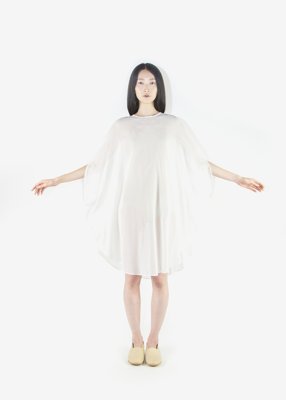
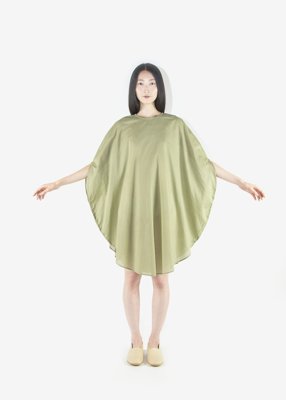
22. Koromo of circles - whiteCosmic Wonder's symbolic circular item. Made with the finest count organic cotton voile. The white color is produced by earth-friendly, non-chlorinated water bleaching.
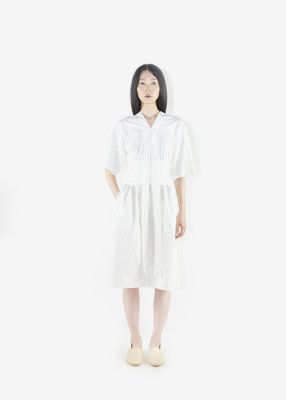
23. Koromo with ribbon - whiteMade with organic cotton single jersey fabric for the body, organic cotton poplin for the collar and organic cotton broadcloth for the skirt. Comes in white, black, blue gray and pink.
24. Organic cotton french twill shirt - pomegranate herbal dyePomegranate herbal dyed bright green. Worn with organic green cotton wrapped denim pants.
25. Organic cotton french twill frilled shirt and organic cotton broad cloth wrapped skirt - pomegranate herbal dyeComes in white, natural, black, beige, lac herbal dyed pink, pomegranate herbal dyed green and Ryukyu indigo.
26. Koromo of circles - pomegranate herbal dyeMade with the finest count organic cotton lawn. In pomegranate herbal dyed bright green. Comes in natural, black, beige, lac herbal dyed pink, pomegranate herbal dyed green and Ryukyu indigo.
27. Hemp kumihimo necklaceComposed of hemp threads, rudraksha and holy basil wood. Kumihimo is a craft of braiding threads together to make cords. Kicho-musubi is a Japanese traditional tying technique. The technique of kumihimo came along with the introduction of Buddhism to Japan. It was used as a decorative cord for accessories of butsugu (Buddhist altar fittings), Buddhist scriptures and scrolls.
28. Hemp kumihimo belt and kicho-musubiMade of hemp threads. Kumihimo is a craft of braiding threads together to make cords. Kicho-musubi is a Japanese traditional tying technique. In the Nara period, braided kumihimo made from fine colored threads became popular as a decoration for formal dress. It was used on sleeves in the Kamakura period, and as a decorative cord for tea ceremonies in the Azuchi-momoyama period. By the early Edo period, kumihimo could be found in a wide range of beautiful colors and patterns.
29. Hemp work top with Hakkaku-Shinka embroideryThe fabric is composed of organic cotton thread for the warp and hand-spun hemp thread for the weft. Woven slowly with an antique shuttle weaving machine. Hakkaku-Shinka embroidery on the top. Comes in black, uncolored natural and Ryukyu indigo.
30. Hemp work coat, hemp work top with Hakkaku-Shinka embroidery and hemp work wrapped skirtHemp work clothes recalling the texture of antique okuso clothes. Okuso are the waste fibers from the production of asa (hemp) threads. Okuso were used in times when cotton was precious, especially in northern regions such as Tohoku. Piping along sleeves, pocket opening and the hem. Kicho-musubi (Japanese traditional tying technique) at the slitted part.
31. Hemp work jacket and slacksHand-woven hemp fabric patchwork and sashiko hand-embroidery on the elbows and the knees. Worn with naturally tanned leather shoes.
32. Hemp work dressWoven slowly with an antique shuttle weaving machine. Hand-woven hemp fabric patchwork and sashiko hand-embroidery on the sleeves.
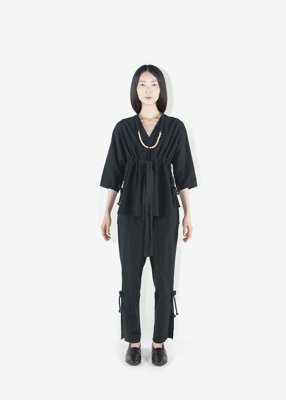
33. Koromo of crepe - blouse and pantsOrganic cotton crepe fabric for the body with organic cotton satin piping. Kicho-musubi (Japanese traditional tying technique) at the slitted part. Worn with hemp kumihimo necklace.
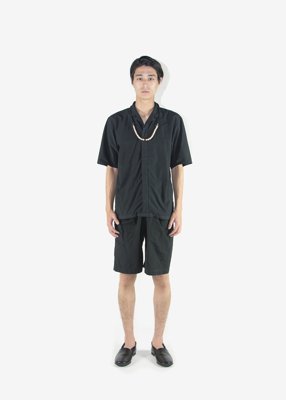
34. Organic cotton broadcloth shirt blousonOpen collar, fly front shirt made of organic cotton broadcloth. Piped hem and cuffs. Worn with organic cotton short wrapped pants, hemp kumihimo necklace and naturally tanned leather shoes.
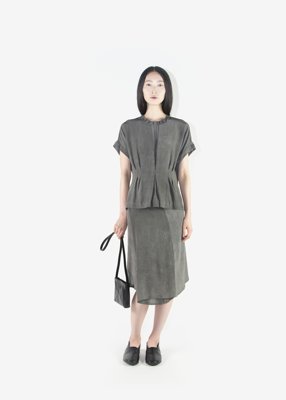
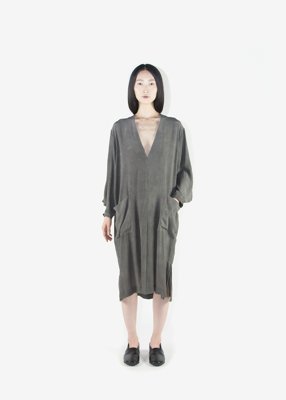
35. Koromo of silk - Sumiguro | bouse and wrapped skirtCollection of silk. Made with 100% silk shantung. Sumiguro color comes from Japanese sumi-ink.
36. Koromo of silk - Sumiguro | dress
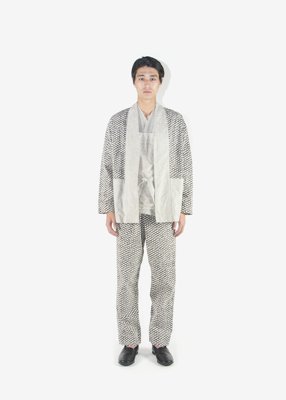
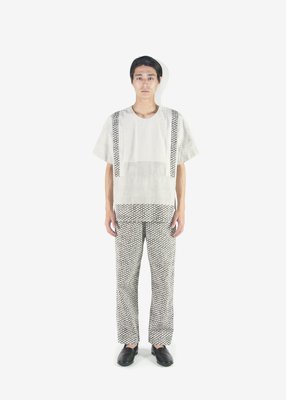
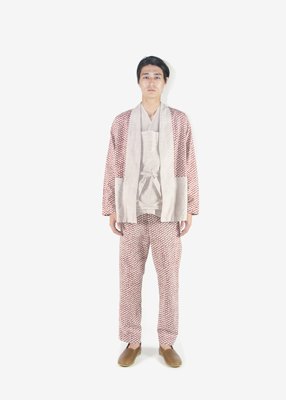
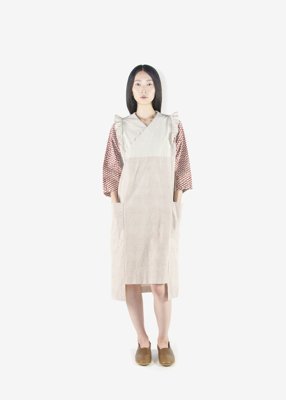
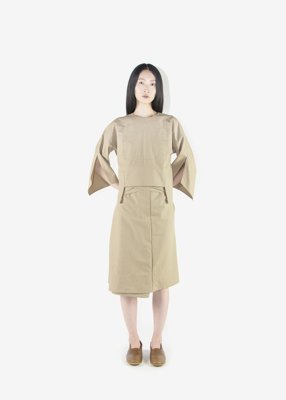
37. Canvas haori jacket, canvas top with Hakkaku-Shinka embroidery and canvas wrapped pantsMade with organic cotton linen canvas. Comes in beige, old white, red-printing and black printing. The printing pattern is composed of two different printing fabrics made with an Indian woodblock printing and an Edo-komon printing.
38. Canvas work blouse and wrapped pantsWorn with naturally tanned leather shoes.
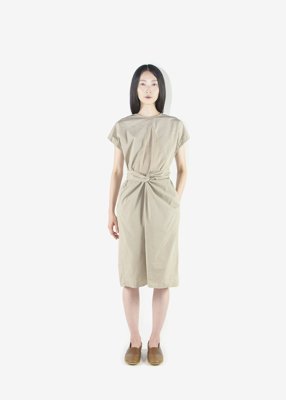
39. Canvas work dress
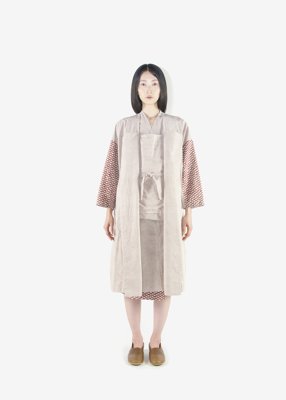
40. Canvas kimono coat, canvas top with Hakkaku-Shinka embroidery and canvas wrapped skirtMade with organic cotton linen canvas. Comes in beige, old white, red-printing and black printing. The printing pattern is composed of two different printing fabrics made with an Indian woodblock printing and an Edo-komon printing.
41. Canvas haori jacket, canvas top with Hakkaku-Shinka embroidery and canvas wrapped pantsWorn with naturally tanned leather shoes.
42. Canvas work dress
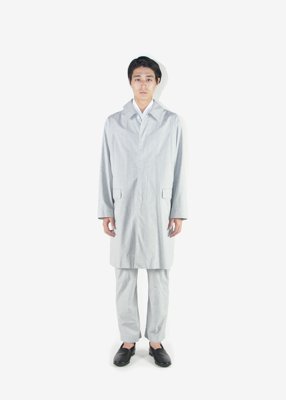
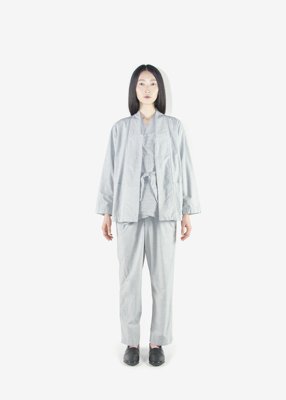
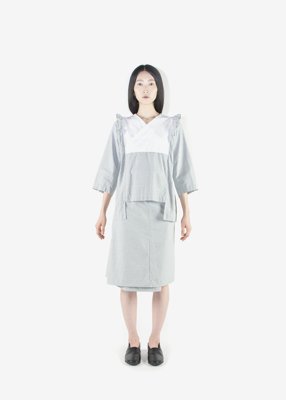
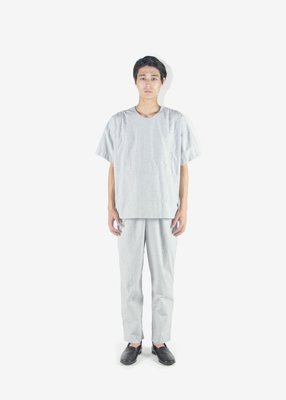
43. Twill work coat and wrapped pantsMade with pale gray color organic cotton twilled selvedge fabric. Woven slowly with an antique shuttle weaving machine.
44. Twill haori jacket, twill top with Hakkaku-Shinka embroidery and wrapped pants
45. Twill blouse and twill wrapped skirt
46. Twill seamed blouse and wrapped pants
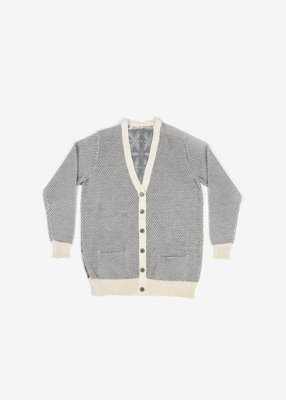
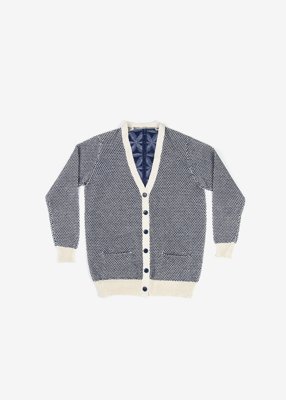
47. Flower of Life Kurume-kasuri cardigan - grayHand-loomed Kurume-kasuri textile with symbolic Flower of Life motif. The kasuri is made from organic cotton. Composed with hemp knitting. Comes in gray, beige and natural indigo.
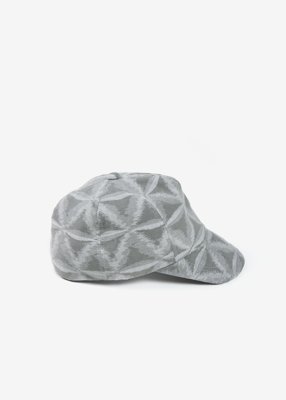
48. Flower of Life Kurume-kasuri hat - grayMade of hand-loomed organic cotton Kurume-kasuri textile with symbolic Flower of Life motif. The kasuri worn by Shotoku Taishi (Prince Shotoku, Asuka period) is housed in the Horyu-ji Temple Homotsukan Museum. It is thought to be the oldest kasuri in Japan dating from around the sixth century, when Buddhism was first introduced to Japan.
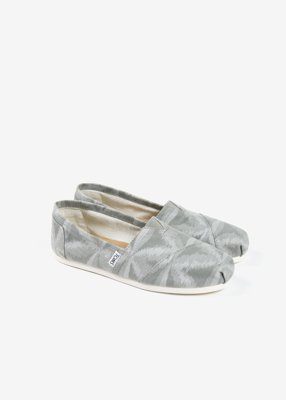
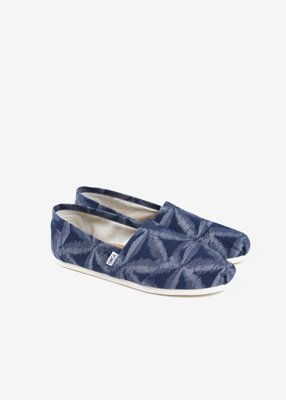
49. Flower of Life Kurume-kasuri COSMIC WONDER Kurumekasuri & TOMS - grayThe technique of weaving kasuri is believed to have been first developed in ancient India. From there it spread throughout Southeast Asia and was brought to Japan via the Ryukyu kingdom, in Okinawa, around the year 1400. Kurume-kasuri developed independently in various kasuri-producing regions of Japan.
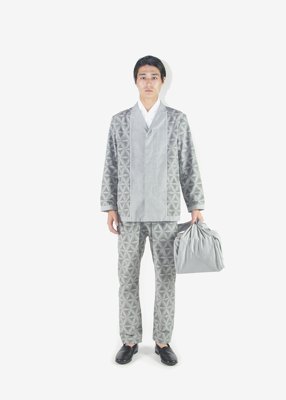
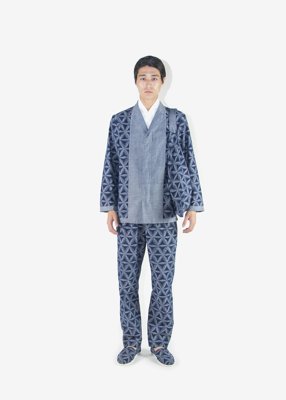
50. Flower of Life Kurumekasuri jacket and wrapped pants, Flower of Life Kurumekasuri Furoshiki - grayKurume-kasuri is a weaving method invented in 1788 by Den Inoue in the city of Kurume. As a young girl, Inoue researched and experimented with many different weaving techniques.
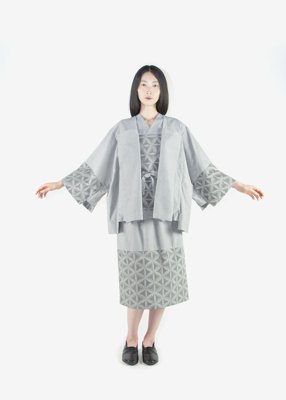
51. Flower of Life Kurume-kasuri haori jacket and skirt - grayIn the year 1800, at the age of 12, Den Inoue developed a style of weaving in which parts of the textile appear to have a splashed pattern. This style of weaving became greatly prized and quickly spread across the region. By the latter half of the Edo period, kasuri production had increased dramatically.
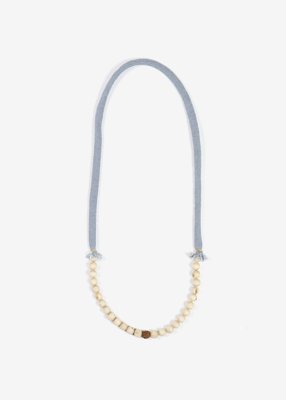
52. Hemp kumihimo necklace - blue grayComposed of hemp threads, rudraksha and holy basil wood. Kumihimo is a craft of braiding threads together to make cords. Kicho-musubi is a Japanese traditional tying technique. The technique of kumihimo came along with the introduction of Buddhism to Japan. It was used as a decorative cord for accessories of butsugu (Buddhist altar fittings), Buddhist scriptures and scrolls.
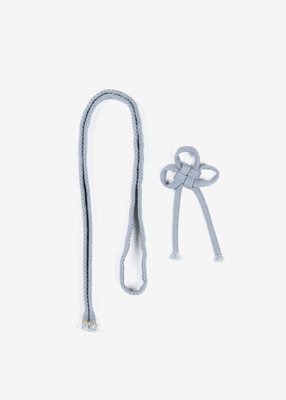
53. Hemp kumihimo belt and kicho-musubi - blue grayMade of hemp threads. Kumihimo is a craft of braiding threads together to make cords. Kicho-musubi is a Japanese traditional tying technique. In the Nara period, braided kumihimo made from fine colored threads became popular as a decoration for formal dress. It was used on sleeves in the Kamakura period, and as a decorative cord for tea ceremonies in the Azuchi-momoyama period. By the early Edo period, kumihimo could be found in a wide range of beautiful colors and patterns.
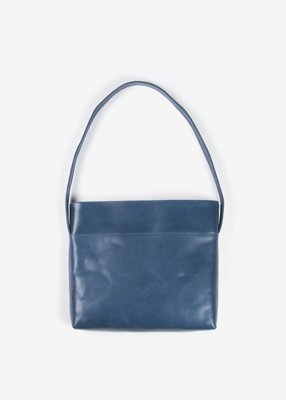
54. Naturally tanned leather shoulder bag - navySmooth textured leather tanned with the extract from bark of mimosa tree. No hazardous chemicals, artificial coloring or treatments are used throughout the production process.
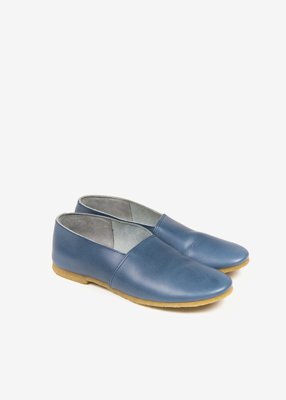
55. Naturally tanned leather shoes - navyThis leather gradually gains its own unique color as time passes.
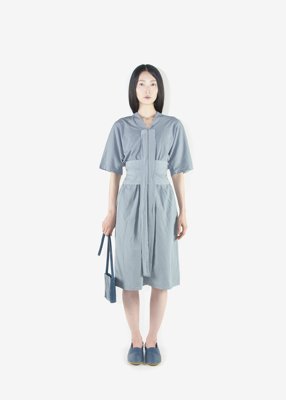
56. Koromo with ribbon - blue grayMade with organic cotton single jersey fabric for the body, organic cotton poplin for the collar and organic cotton broadcloth for the skirt. Comes in white, black, blue gray and pink.
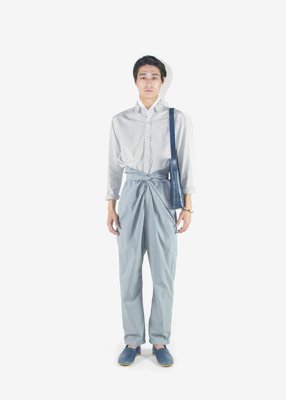
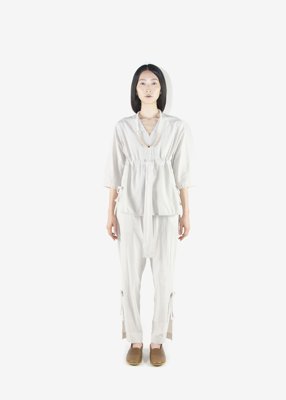
57. Oxford shirt - logwood herbal dyed stripeFly front, soft textured shirt made of organic cotton oxford. The sumi-gray stripes comes from a logwood herbal dyed organic cotton threads. Worn with organic cotton broad cloth blue-gray color wrapped pants, naturally tanned leather shoes and shoulder bag.
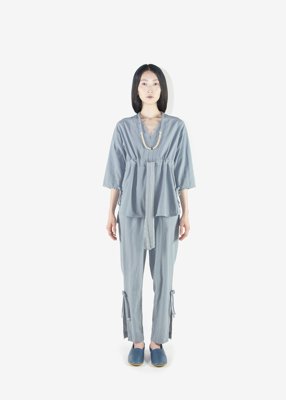
58. Koromo of crepe | blouse and pants - blue grayOrganic cotton crepe fabric for the body with organic cotton satin piping. Kicho-musubi (Japanese traditional tying technique) at the slitted part. Worn with hemp kumihimo necklace and naturally tanned leather shoes.
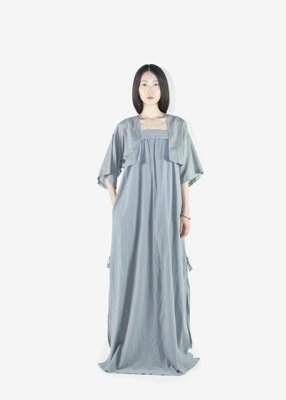
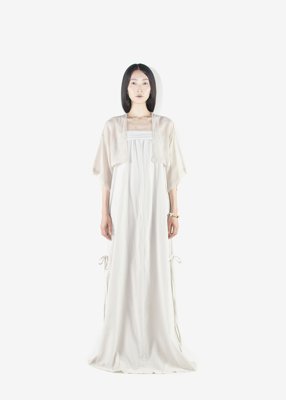
59. Lawn haori and koromo of crepe - blue grayHaori made with organic cotton lawn. Dress made with organic cotton crepe fabric for the body with organic cotton satin piping. Kicho-musubi (Japanese traditional tying technique) at the slitted part.
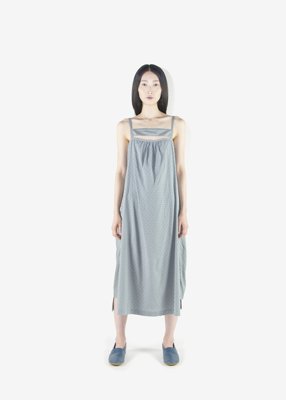
60. Lawn snow-cut camisole dress - blue grayMade with organic cotton lawn snow-cut fabric for the body, organic cotton satin for the belt, shoulder strap and organic cotton lawn for the side. Comes in blue gray, black, beige and Ryukyu indigo.
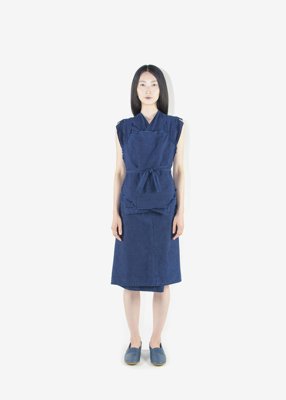
61. Hemp work top with Hakkaku-Shinka embroidery - Ryukyu indigoThe deep oceanic blue of Ryukyu indigo is produced by a skilled dyer in Kyoto.
62. Hemp work coat - Ryukyu indigoHemp work clothes recalling the texture of antique okuso clothes. Okuso are the waste fibers from the production of asa (hemp) threads. Okuso were used in times when cotton was precious, especially in northern regions such as Tohoku.
63. Hemp work coat, hemp work top with Hakkaku-Shinka embroidery, organic cotton wrapped pants - Ryukyu indigoThe deep oceanic blue of Ryukyu indigo is produced by a skilled dyer in Kyoto. Worn with naturally tanned leather shoes.
64. Hemp work top with Hakkaku-Shinka embroidery, organic cotton wrapped skirt - Ryukyu indigo
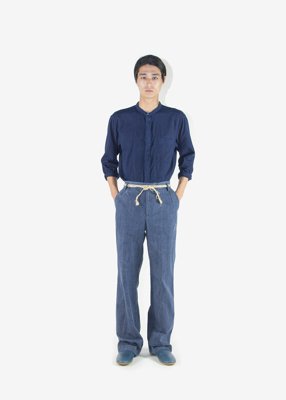
65. Organic cotton french twill shirt - Ryukyu inidigoRyukyu-indigo dyed deep oceanic blue. Worn with natural indigo dyed denim slacks.
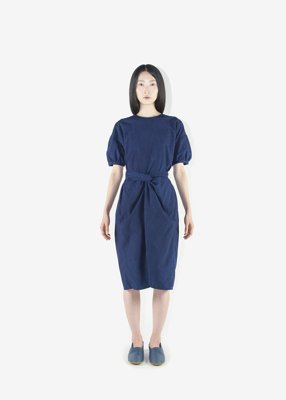
66. Wrapped dress - Ryukyu indigoCosmic Wonder's symbolic wrapped dress. Made with organic cotton broad cloth. Comes in natural, white, black, beige, lac herbal dyed pink, pomegranate herbal dyed green and Ryukyu indigo.
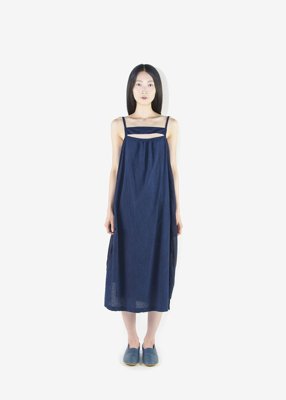
67. Lawn snow-cut - Ryukyu indigoMade with organic cotton lawn snow-cut fabric for the body, organic cotton satin for the belt, shoulder strap and organic cotton lawn for the side. Comes in blue gray, black, beige and Ryukyu indigo.
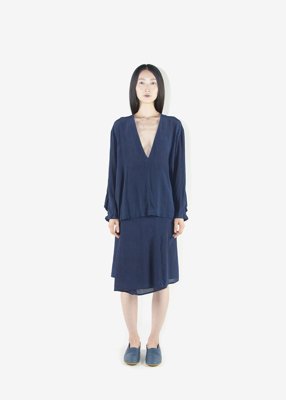
68. Koromo of silk - Ryukyu indigo | bouse and wrapped skirtCollection of silk. Made with 100% silk shantung. The deep oceanic blue of Ryukyu indigo is produced by a skilled dyer in Kyoto.
69. Koromo of silk - Ryukyu indigo | dress
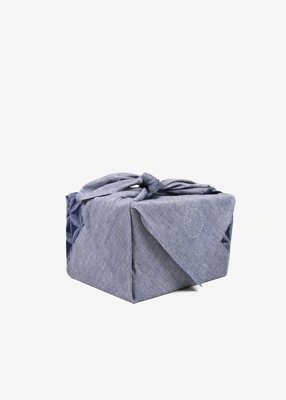
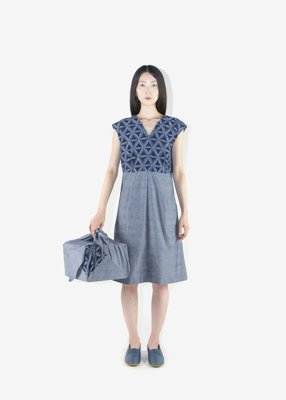
70. Flower of Life Kurume-kasuri Furoshiki - natural indigoFuroshiki wrapping cloth made of hand-loomed organic cotton Kurume-kasuri textile with symbolic Flower of Life motif. Furoshiki is a piece of cloth for wrapping things for carrying or storing.
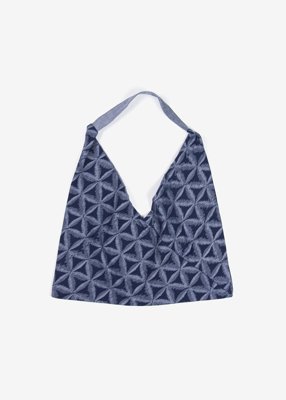
71. Flower of Life Kurume-kasuri Tsunobukuro tote bag - natural indigoThe natural indigo color is produced by a skilled artisan in Kurume. Comes in natural indigo, gray and beige.
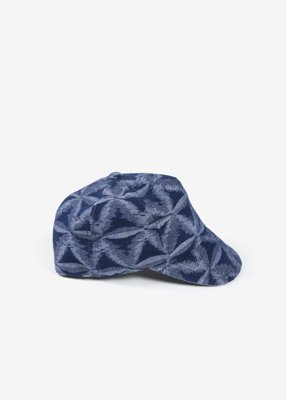
72. Flower of Life Kurume-kasuri hat - natural indigoMade of hand-loomed organic cotton Kurume-kasuri textile with symbolic Flower of Life motif. The kasuri worn by Shotoku Taishi (Prince Shotoku, Asuka period) is housed in the Horyu-ji Temple Homotsukan Museum. It is thought to be the oldest kasuri in Japan dating from around the sixth century, when Buddhism was first introduced to Japan.
73. Flower of Life Kurume-kasuri cardigan - natural indigoHand-loomed Kurume-kasuri textile with symbolic Flower of Life motif. The Kasuri is made from organic cotton. Composed with hemp knitting. Comes in natural indigo, gray and beige.
74. Flower of Life Kurume-kasuri - natural indigoCOSMIC WONDER Kurumekasuri & TOMSThe technique of weaving kasuri is believed to have been first developed in ancient India. From there it spread throughout Southeast Asia and was brought to Japan via the Ryukyu kingdom, in Okinawa, around the year 1400. Kurume-kasuri developed independently in various kasuri-producing regions of Japan.
75. Flower of Life Kurume-kasuri jacket and wrapped pants - natural indigoKurume-kasuri is a weaving method invented in 1788 by Den Inoue in the city of Kurume. As a young girl, Inoue researched and experimented with many different weaving techniques.
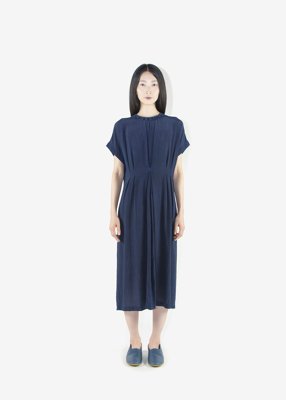
76. Flower of Life Kurume-kasuri Kantoi dress, Flower of Life Kurume-kasuri furoshiki - natural indigoIn the year 1800, at the age of 12, Den Inoue developed a style of weaving in which parts of the textile appear to have a splashed pattern. This style of weaving became greatly prized and quickly spread across the region. By the latter half of the Edo period, kasuri production had increased dramatically.
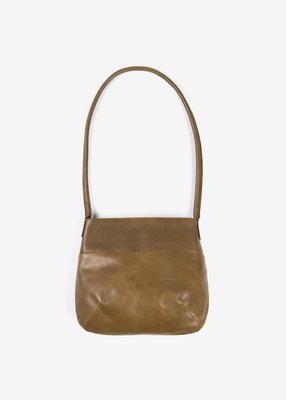
77. Naturally tanned leather shoulder bag - brownSmooth textured leather tanned with the extract from bark of mimosa tree. No hazardous chemicals, artificial coloring or treatments are used throughout the production process.
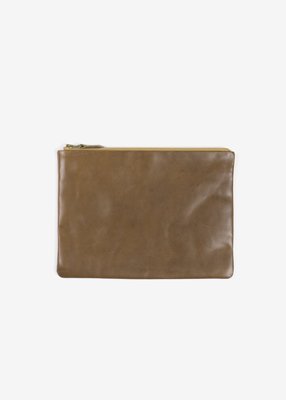
78. Naturally tanned leather pouch - brown
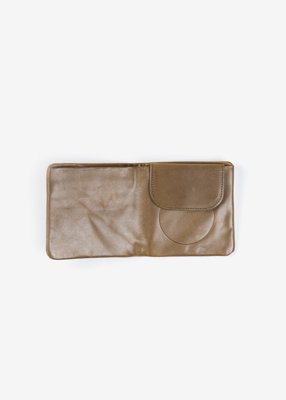
79. Naturally tanned leather wallet - brown
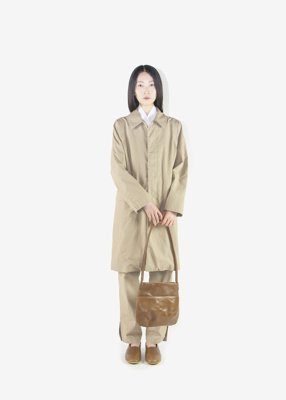
80. Canvas work coat and slacksMade with organic cotton linen canvas. Comes in beige, old white, red-printing and black printing. Worn with naturally tanned leather shoes and shoulder bag.
81. Canvas work blouse and wrapped skirt
82. Triangle seam wrapped dressCosmic Wonder's symbolic wrapped dress. Made with organic cotton broad cloth. Triangle part is composed of organic cotton satin. Comes in natural, white, black, beige, lac herbal dyed pink, pomegranate herbal dyed green and Ryukyu indigo.
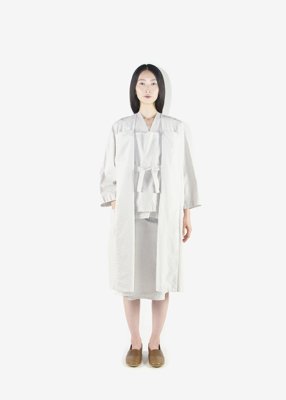
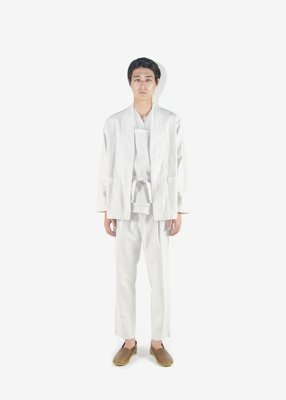
83. Canvas kimono coat, canvas top with Hakkaku-Shinka embroidery and canvas wrapped skirt - old whiteMade with organic cotton linen canvas. Comes in beige, old white, red-printing and black printing. Worn with naturally tanned leather shoes.
84. Canvas haori jacket, canvas top with Hakkaku-Shinka embroidery and wrapped pants - old white
85. Koromo of crepe | blouse and pants - old whiteOrganic cotton crepe fabric for the body with organic cotton satin piping. Kicho-musubi (Japanese traditional tying technique) at the slitted part. Worn with hemp kumihimo necklace and naturally tanned leather shoes.
86. Lawn haori and koromo of crepe - old whiteHaori made with organic cotton lawn. Dress made with organic cotton crepe fabric for the body with organic cotton satin piping. Kicho-musubi (Japanese traditional tying technique) at the slitted part.